
How Tenant Retention Strategies Help U.S. Landlords Reduce Turnover Costs
How Tenant Retention Strategies Help U.S. Landlords Reduce Turnover Costs
Introduction
Finding a tenant is only one part of successful rental property management. Keeping reliable tenants in place for longer can be equally important.
When a good tenant leaves, landlords may face more than an empty property. Turnover can involve cleaning, repairs, advertising, property showings, application processing, administrative work, and lost rental income during vacancy.
For this reason, tenant retention should be an important part of a long-term rental management strategy.
A positive rental experience, responsive communication, timely service, and professional property management can encourage residents to renew their leases and remain in the property longer.
For U.S. landlords, a strong tenant retention strategy can help create more stable rental operations while reducing the costs and disruption associated with frequent turnover.
What Is Tenant Retention?
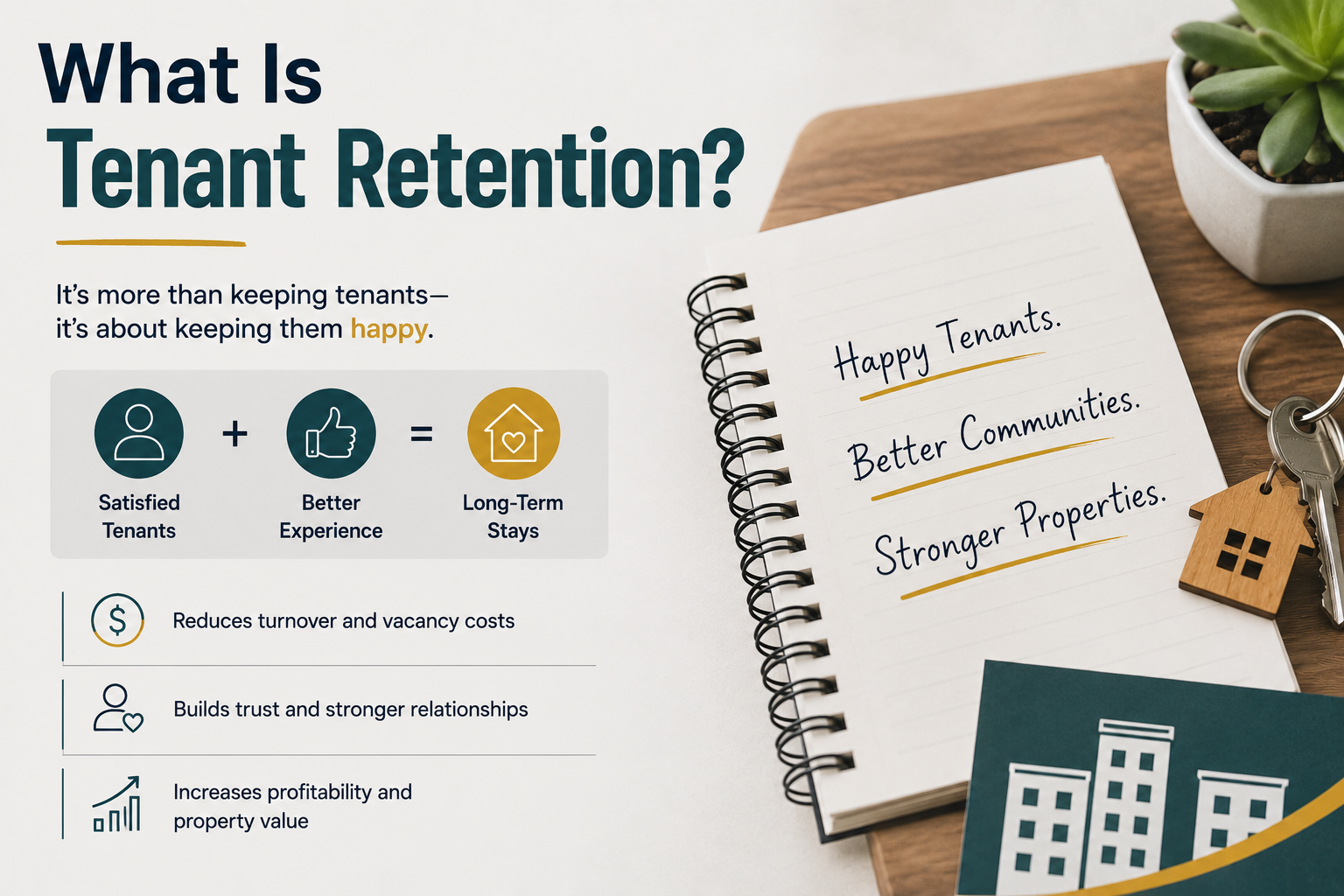
Tenant retention refers to the strategies and practices used by landlords and property management companies to encourage good tenants to continue renting a property.
The goal isn't simply to keep every tenant indefinitely.
Instead, it is about creating a rental experience that encourages reliable and satisfied residents to renew their leases when the property and tenancy remain a good fit.
Effective tenant retention can involve:
Responsive communication
Timely service
Convenient rent payment options
Well-organized lease renewals
Regular property care
Respectful tenant relationships
Clear communication about important changes
Why Tenant Turnover Can Be Expensive
When a tenant moves out, the property owner may experience several costs at once.
These can include:
Vacancy Loss
An unoccupied property may generate no rental income while operating expenses continue.
Turnover Preparation
The property may require cleaning, touch-ups, repairs, or other preparation before the next tenant moves in.
Marketing Expenses
The property needs to be advertised again to attract prospective tenants.
Showing Costs
Someone needs to coordinate property showings and communicate with prospective renters.
Administrative Work
Applications, documentation, lease preparation, and move-in coordination all require time.
Reducing unnecessary turnover can therefore help landlords control these expenses.
7 Tenant Retention Strategies U.S. Landlords Can Use
1. Communicate Clearly and Consistently
Communication plays a major role in the tenant experience.
Residents want to know that their questions and concerns will receive appropriate attention.
Property management teams can maintain better relationships by:
Responding to questions promptly
Providing clear updates
Communicating important notices in advance
Setting realistic expectations
Following up when an issue has been resolved
Consistent communication can build trust throughout the tenancy.
2. Respond to Tenant Requests Professionally
Residents are more likely to feel comfortable staying in a property when their concerns are handled professionally.
A structured process for handling tenant requests helps ensure that issues don't get forgotten.
Even when a request cannot be resolved immediately, keeping the resident informed can make a significant difference in the overall experience.
3. Make Lease Renewals Easier
Lease renewal should not become a last-minute process.
Property managers can monitor upcoming lease expiration dates and begin communication early.
This gives landlords and tenants enough time to discuss:
Renewal terms
Rental rates
Lease duration
Changes to the agreement
Future plans
A clear and organized renewal process can make it easier for good tenants to continue their tenancy.
4. Offer Convenient Payment Options
Today's residents often expect convenient ways to handle recurring payments.
Digital rent payment options can make the process easier for tenants while helping property managers maintain organized payment records.
Convenience in everyday rental processes can contribute to a better overall tenant experience.
5. Keep Residents Informed About the Property
Good communication doesn't have to happen only when there is a problem.
Property managers can keep residents informed about:
Scheduled services
Building updates
Community information
Planned work
Important property notices
Keeping residents informed helps create a more professional and transparent rental experience.
6. Recognize Good Tenants
Reliable tenants are valuable to property owners.
While every rental decision should remain consistent with applicable laws and policies, landlords can focus on maintaining positive relationships with residents who meet their lease responsibilities.
Simple practices such as professional communication, timely responses, and a smooth renewal process can help strengthen those relationships.
7. Understand Why Tenants Leave
Not every move-out can or should be prevented.
However, understanding why tenants leave can help property owners identify areas for improvement.
Common reasons may include:
Relocation
Changes in household needs
Employment changes
Affordability
Property preferences
Poor rental experience
Collecting appropriate feedback after move-out can help management teams identify recurring issues and improve future resident experiences.
The Connection Between Tenant Retention and Property Performance
Tenant retention isn't only about maintaining relationships.
It can also affect the financial performance of a rental property.
Longer tenancies can potentially mean:
Fewer turnovers → Fewer vacancy periods → Lower turnover expenses → More stable rental operations
While tenant retention cannot guarantee continuous occupancy, creating a positive rental experience can support greater stability over time.
How Professional Property Management Supports Tenant Retention
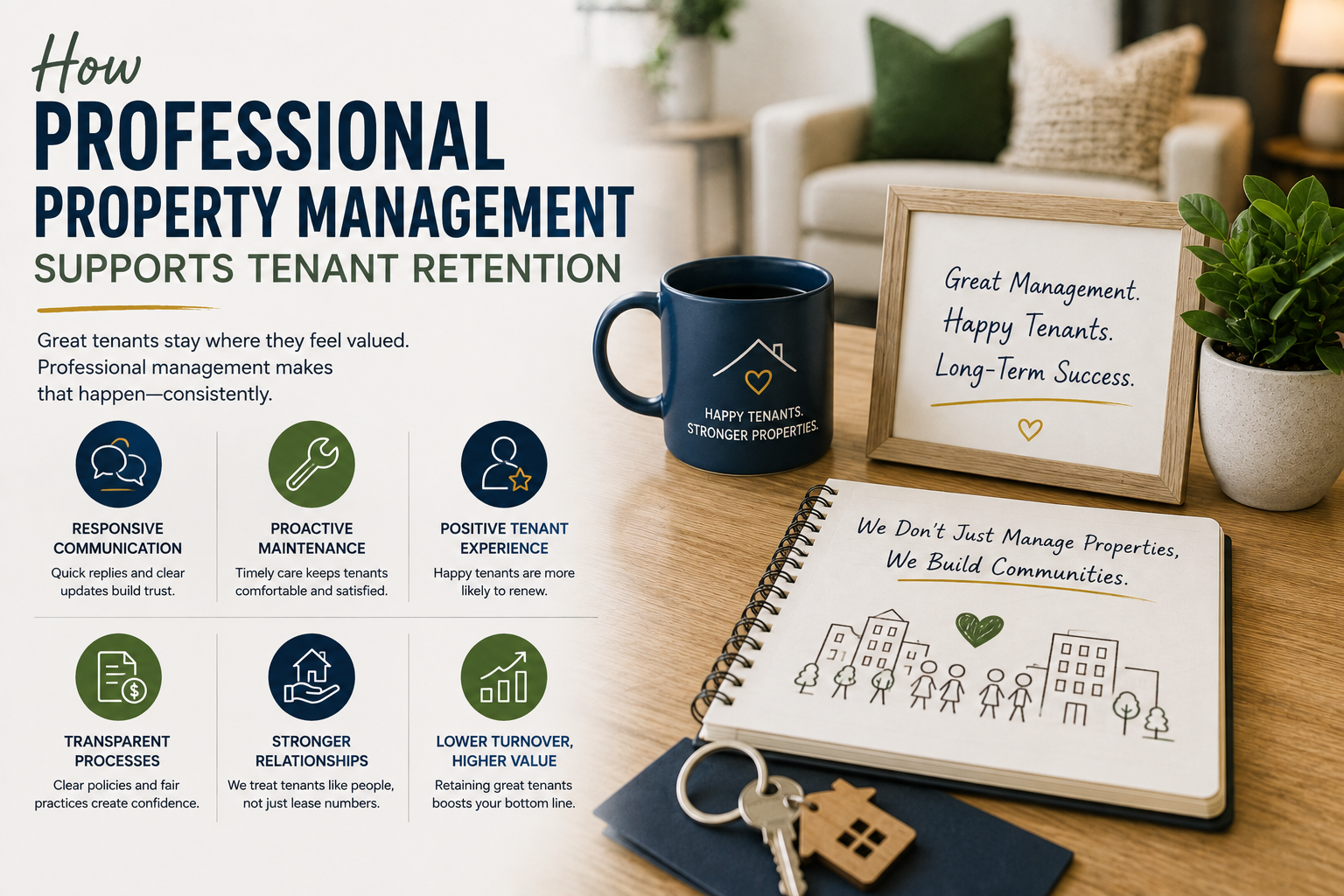
Managing tenant relationships requires consistent attention.
For landlords with multiple rental properties, this can become difficult to handle personally.
A professional property management company can help coordinate:
Tenant communication
Rent collection
Service requests
Lease renewals
Property inspections
Vendor coordination
Move-in and move-out processes
Resident support
This allows landlords to have professional support throughout the tenant lifecycle.
Tenant Retention vs. Finding New Tenants
Finding new tenants is important when a property becomes vacant.
But landlords should also consider the cost of replacing a reliable resident unnecessarily.
A balanced strategy focuses on both:
Tenant Acquisition
Finding qualified prospects when a property becomes available.
Tenant Retention
Creating a professional rental experience that encourages suitable residents to renew.
Successful rental management requires attention to both sides.
How WWPM Supports U.S. Property Owners
At Worldwide Property Management (WWPM), we understand that successful property management involves more than managing the property itself.
It also involves creating an organized and professional experience for residents.
Our services can support landlords with:
Tenant Management
Lease Renewal Coordination
Rent Collection
Tenant Communication
Property Inspections
Maintenance Coordination
Tenant Placement
Tenant Screening
Property Marketing
Owner Reporting
Move-In and Move-Out Coordination
Our goal is to help U.S. property owners manage their rental investments while providing residents with responsive and professional support.
Final Thoughts
Tenant retention is an important part of building a stable rental property portfolio.
When good tenants choose to renew, landlords may avoid many of the expenses and administrative responsibilities associated with turnover.
The key is not simply offering incentives to keep tenants. It is about creating a consistent, professional, and responsive rental experience.
Clear communication, organized lease renewals, convenient processes, and reliable property management can all contribute to stronger tenant relationships.
For U.S. landlords, investing in tenant retention can be an effective way to support long-term rental stability while reducing unnecessary turnover.