The True Cost of Deferred Maintenance on Multi-Family Apartment Buildings
The True Cost of Deferred Maintenance on Multi-Family Apartment Buildings
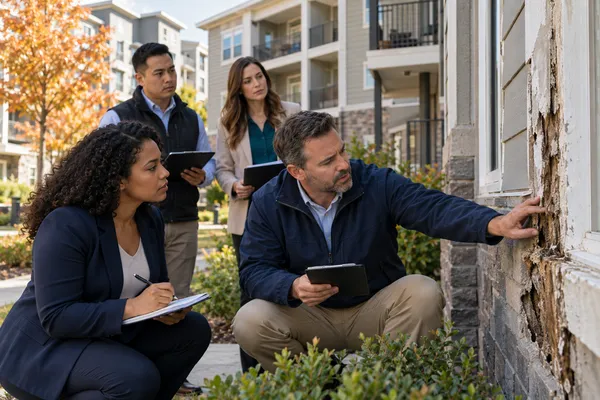
For many multi-family property investors, the temptation to delay repairs is often driven by a desire to preserve short-term cash flow. When an apartment building is performing well, it is easy to view minor roof leaks, hairline cracks in siding, or small foundation settling as issues that can wait until the next fiscal quarter. However, in the world of professional asset management, these minor repairs are rarely just "expenses." They are early warning signals.
Understanding the true cost of deferred maintenance multi family assets is essential for long-term portfolio growth. What starts as a manageable repair bill can quickly evolve into a significant capital expenditure event, drastically reducing the net operating income (NOI) and the eventual resale value of the property.
The Multiplier Effect of Neglect
The financial impact of deferring maintenance is rarely linear; it is exponential. A small leak in a roof may cost a few thousand rupees to patch today. If left ignored for two rainy seasons, that moisture often infiltrates the structural framing, promotes mold growth behind the walls, and damages interior finishes. Suddenly, the owner is not just paying for a roof repair; they are paying for interior demolition, mold remediation, electrical safety checks, and tenant relocation costs.
This is the multiplier effect. Every day a repair is delayed, the scope of the project expands. Foundations are perhaps the most critical example. Small settling cracks might be addressed early with minor cosmetic or structural stabilization at a low cost. If ignored, the structural integrity of the entire building becomes compromised, leading to significant cracks in common areas, doors that stop closing properly, and potential legal or safety liability issues that can deter high-quality tenants.
Operational and Tenant Retention Implications
Beyond the direct repair bills, deferred maintenance has a profound impact on tenant relations and turnover. Tenants today are savvy; they recognize when a building is being poorly managed. Constant minor issues—like recurring leaks or unaddressed siding damage—signal that the owner does not prioritize the living environment. This perception leads to higher vacancy rates, as reliable, long-term tenants seek out buildings that are well-maintained and professionally managed.
From an operational standpoint, emergency repairs are always more expensive than scheduled maintenance. Contractors charge premium rates for "emergency" calls on nights or weekends, and because the work is urgent, there is rarely time to shop for competitive pricing or vetted labor. By sticking to a proactive maintenance schedule, investors can secure favorable rates, plan capital expenditures into their budget, and avoid the chaotic, high-cost scramble of urgent property failures.
Protecting Asset Value and Investment Yield
The valuation of multi-family apartment buildings is heavily dependent on the current state of the asset. When it comes time to refinance or sell the property, a professional property condition assessment will identify every instance of deferred maintenance. Buyers will either discount their offer significantly to cover the cost of these repairs or walk away entirely.
Investors who consistently maintain their properties protect their asset value and ensure the building remains a competitive option in the local rental market. Whether the property is in Bengaluru, Hyderabad, Chennai, or Kochi, the market rewards landlords who maintain their physical assets to a high standard.
Strategic Recommendations for Investors
To mitigate the risk of rising repair costs, investors should implement the following strategies:
Routine Inspections: Conduct quarterly walk-throughs of both common areas and individual units to catch small issues before they become structural problems.
Preventative Maintenance Schedule: Create an annual calendar for exterior upkeep, including roof inspections, siding seal checks, and foundation drainage audits.
Financial Forecasting: Set aside a dedicated reserve fund for capital expenditures based on the age and condition of the building, rather than waiting for repairs to be forced upon you.
Professional Oversight: Utilize experienced property management partners to oversee day-to-day operations and ensure that maintenance is handled in a timely, professional manner.
Managing the physical condition of a multi-family building is one of the most effective ways to preserve wealth in real estate. By addressing small repairs immediately, investors avoid the trap of compounding costs and ensure their portfolio remains a resilient, income-generating asset for years to come.
If you are looking for professional support in managing your multi-family property and implementing a proactive maintenance strategy, WWPM India is here to help. We assist property owners with comprehensive management services that prioritize operational efficiency and asset value protection. Please visit our Contact Us page to discuss your property management needs with our team today.
About WWPM US
Ready to Build a Back Office That Can Keep Up With Growth?
Your portfolio should not outgrow your operations.
WWPM helps property management companies strengthen the systems behind their portfolios through accounting, bookkeeping, operations support, software expertise, virtual assistance, reporting, and AI-powered automation.
Grow Your Portfolio. Not Your Administrative Burden.
Website: https://ww-pm.com//
Email: [email protected]
Phone: +1 (908) 408-2665